If you've searched "advanced facial treatment" and come away more confused than when you started, you're not alone. The term covers a wide range of options — from targeted resurfacing to hydration-focused sessions — and what suits one skin type or concern may not suit another. This guide walks through what these treatments actually are, what a consultation looks like, and the questions worth asking before you book anything.
What Counts as an "Advanced" Facial Treatment?
Broadly, an advanced facial treatment goes beyond a standard cleanse-and-moisturise facial. It may involve targeted devices, professional-grade actives, or techniques aimed at specific concerns such as dullness, congestion, uneven texture, or early signs of ageing. The right choice depends on your skin, your goals, and any conditions or sensitivities a practitioner should know about — which is why this is a decision worth making with guidance rather than by trend alone.
These treatments can help support skin health and appearance in some cases, but results vary from person to person, and no treatment can promise a guaranteed outcome. A qualified practitioner should always assess your skin before recommending a specific option.
How to Know Which Treatment Might Suit You
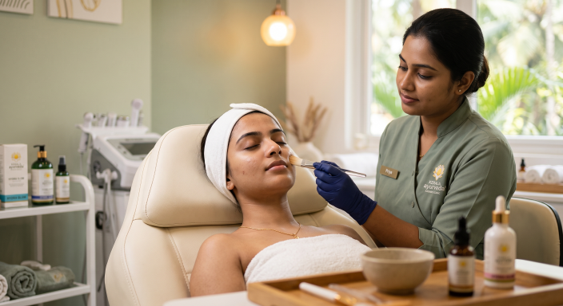
Rather than choosing a treatment by name alone, it helps to start from your actual concern: is your skin feeling congested, dull, uneven, or sensitive? Different advanced facials are designed around different starting points, and a treatment that works well for oily, congestion-prone skin may not be the right fit for dry or reactive skin. This is one of the reasons a proper assessment matters more than picking whatever's trending.
You can browse the range of options at Lumea's skin and hair treatment services page, though the best starting point is still a conversation with a practitioner about your specific skin.
What Happens During a Consultation

A proper consultation isn't a sales pitch — it's an assessment. Expect a practitioner to ask about your skin history, any allergies or sensitivities, current products you're using, and what you're hoping to address. Some clinics use simple skin-analysis tools to look at hydration, pigmentation, or texture more objectively, which can help set realistic expectations rather than promises.
This is also the point to raise any medical conditions, medications (particularly anything that affects skin sensitivity, such as retinoids or blood thinners), or pregnancy — a responsible practitioner will factor these in before recommending anything, and may advise against certain treatments altogether in some cases.
Questions Worth Asking Before You Book
A few questions can save you from a mismatch between expectation and reality:
- What exactly does this treatment involve, step by step?
- What results are realistic, and over what timeframe?
- Is there any downtime, redness, or sensitivity afterward?
- How many sessions are typically recommended, and why?
- What's the practitioner's training and experience with this specific treatment?
- Are there any reasons I might not be a suitable candidate?
A clinic that answers these plainly — without over-promising — is generally a good sign. Be cautious of anyone guaranteeing dramatic, permanent, or universal results; skin responds differently person to person, and reputable practitioners will say so.
What These Treatments Actually Involve, Session to Session
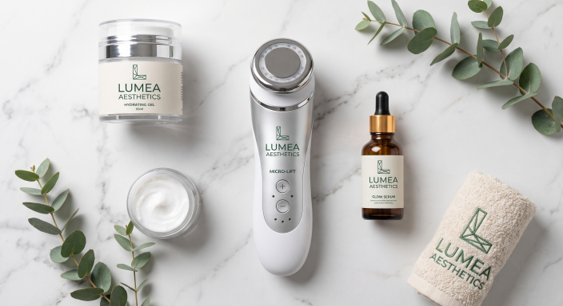
Most advanced facials follow a broadly similar shape: cleansing, an assessment step, the core treatment (which might involve a device, targeted serum, or manual technique), and a calming or protective step afterward such as a hydrating mask or SPF. The specific tools and products used vary by treatment type and by clinic, and a practitioner should be able to explain what each step is for and why it's included for your skin specifically — not just run through a fixed routine regardless of who's in the chair.
Curious which advanced facial might suit your skin?
Book a consultation at Lumea Aesthetics →Aftercare and What to Expect
Aftercare guidance should be specific to the treatment you had, not generic. It's reasonable to ask for this in writing — sun protection, product restrictions, and any signs that would warrant contacting the clinic (such as unusual irritation) are all fair things to expect before you leave.
If you're unsure whether a reaction is normal, contact the clinic directly rather than guessing — you can find contact details on Lumea's contact page.
Safety, Suitability and When to Pause
Not every advanced facial treatment suits every skin, and that's a normal, expected outcome of an honest assessment — not a failure of the treatment. Conditions like active acne breakouts, certain skin infections, recent sun damage, or pregnancy can all be reasons a practitioner recommends waiting or choosing a gentler option instead. This isn't something to work around; it's part of what a qualified consultation is for.
This guide is general information, not medical advice, and isn't a substitute for an in-person consultation with a qualified skin practitioner who can assess your individual skin and history.
Frequently Asked Questions
Before You Book
Choosing an advanced facial treatment works best as a considered decision rather than an impulse booking. If you'd like to talk through your skin and what might genuinely suit it, you can view Lumea's full range of treatments or get in touch to arrange a consultation.
You can also see examples of past work in our gallery, and read more about our approach on the about page.
Ready to discuss the right facial for your skin?
Get in touch with Lumea Aesthetics →